An update to the story behind Little Challenges
1.
Something I’ve learned about behaviour change is that it’s rarely linear.
You learn something → you figure out how to do it → you make progress → things genuinely improve → it’s tempting to think you’ve cracked it...
And then life throws a curveball, and it can feel as though you’re back where you started.
Except you’re not.
You’re simply ready to learn another thing, and to begin the process again from a different place.
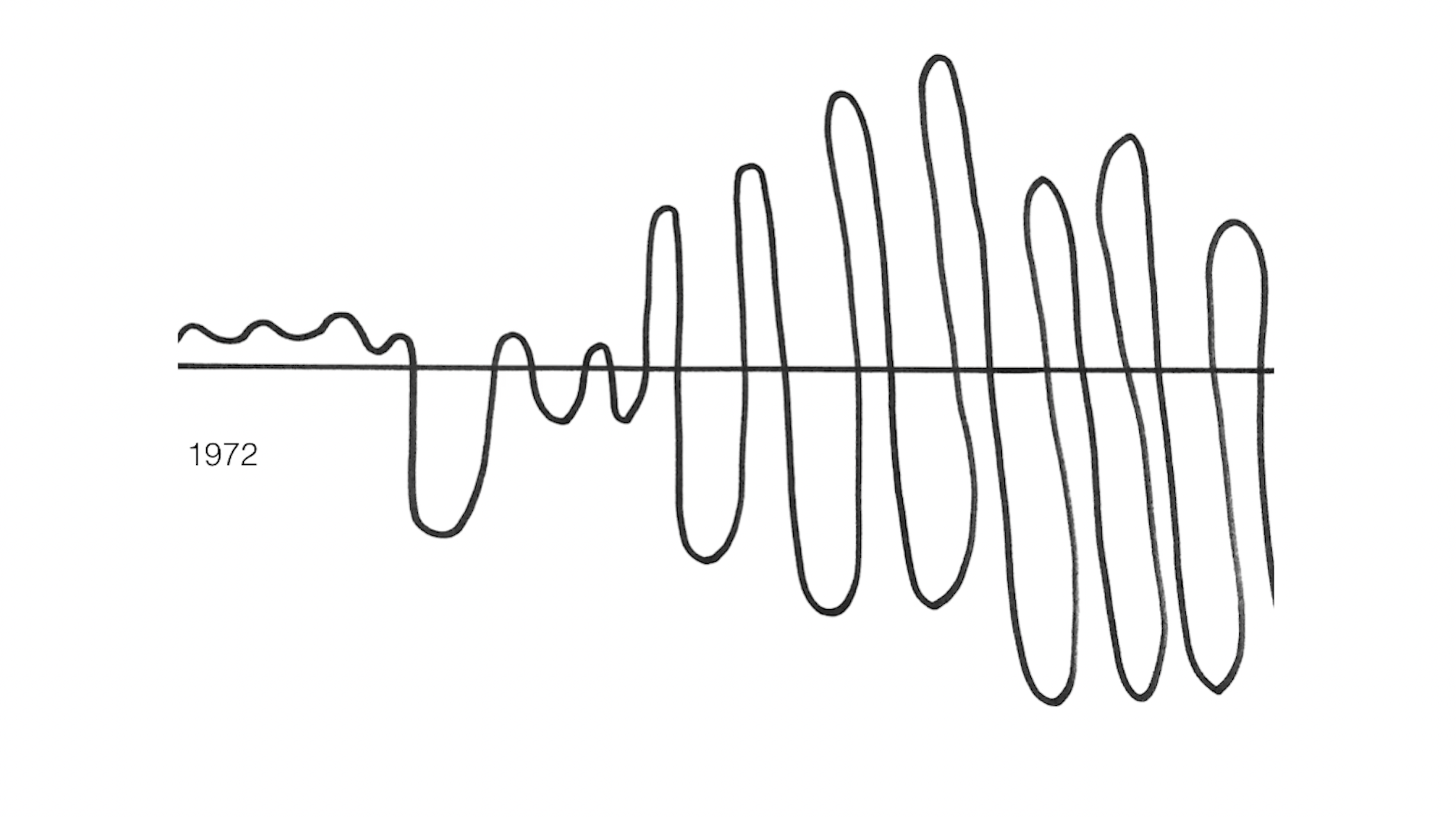
"I've drawn what I think is quite an accurate
representation of my life..."
2.
When I spoke at the DO Lectures in 2018, I was at one of those points where I knew I’d made real progress.
After decades of ups and downs that had, at times, been completely unmanageable, things weren’t unmanageable any more. They were objectively much better.
In the talk I shared three things that had helped:
1. learning to be gentler with myself,
2. focusing on small, sustainable actions rather than heroic effort,
3. separating what I could control from what I couldn’t.
These made, and continue to make, a substantial difference to my quality of life. There have been many other helpful learnings too.
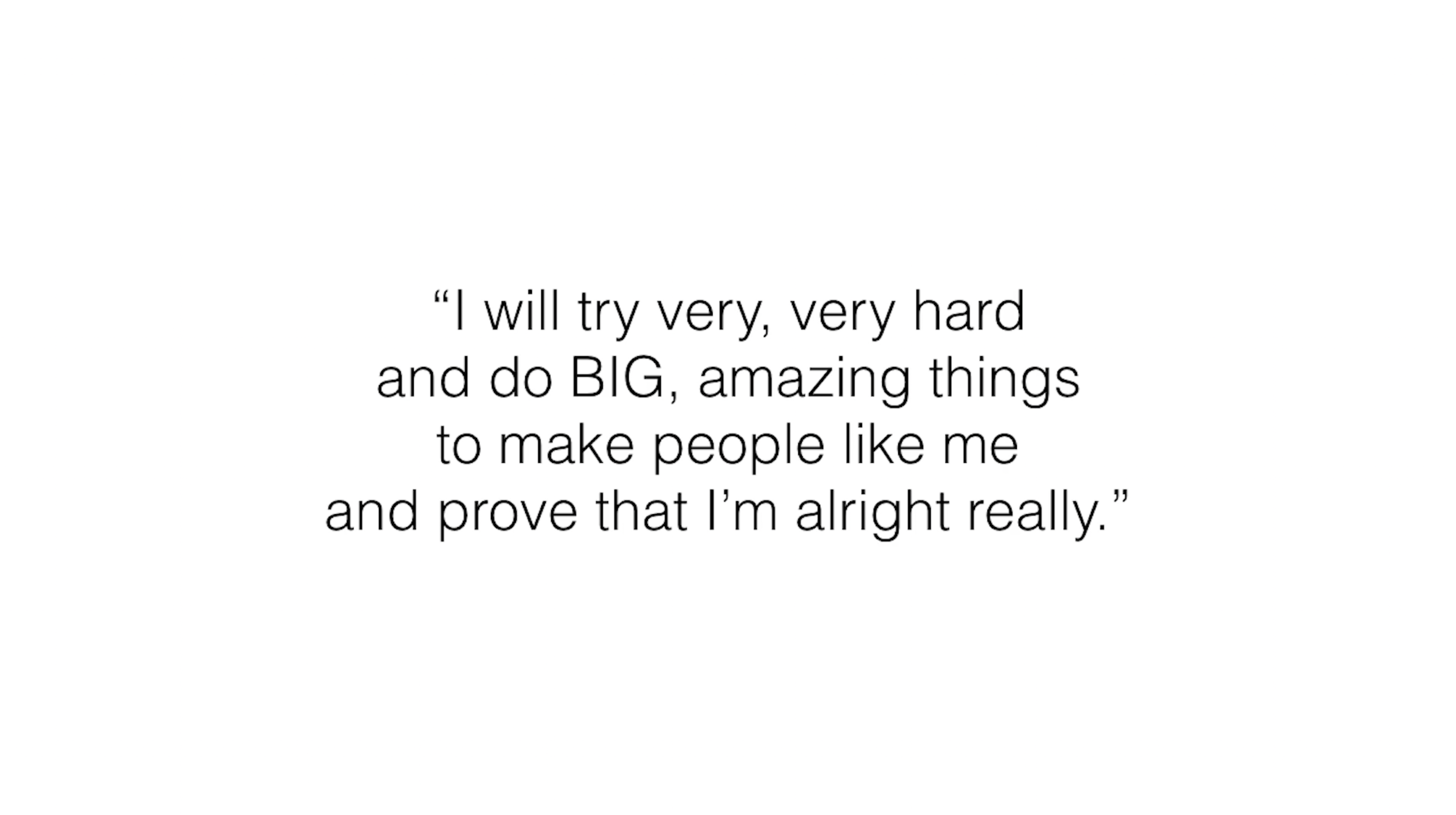
The strategy I'd previously been using
(which really hadn't worked out well).
3.
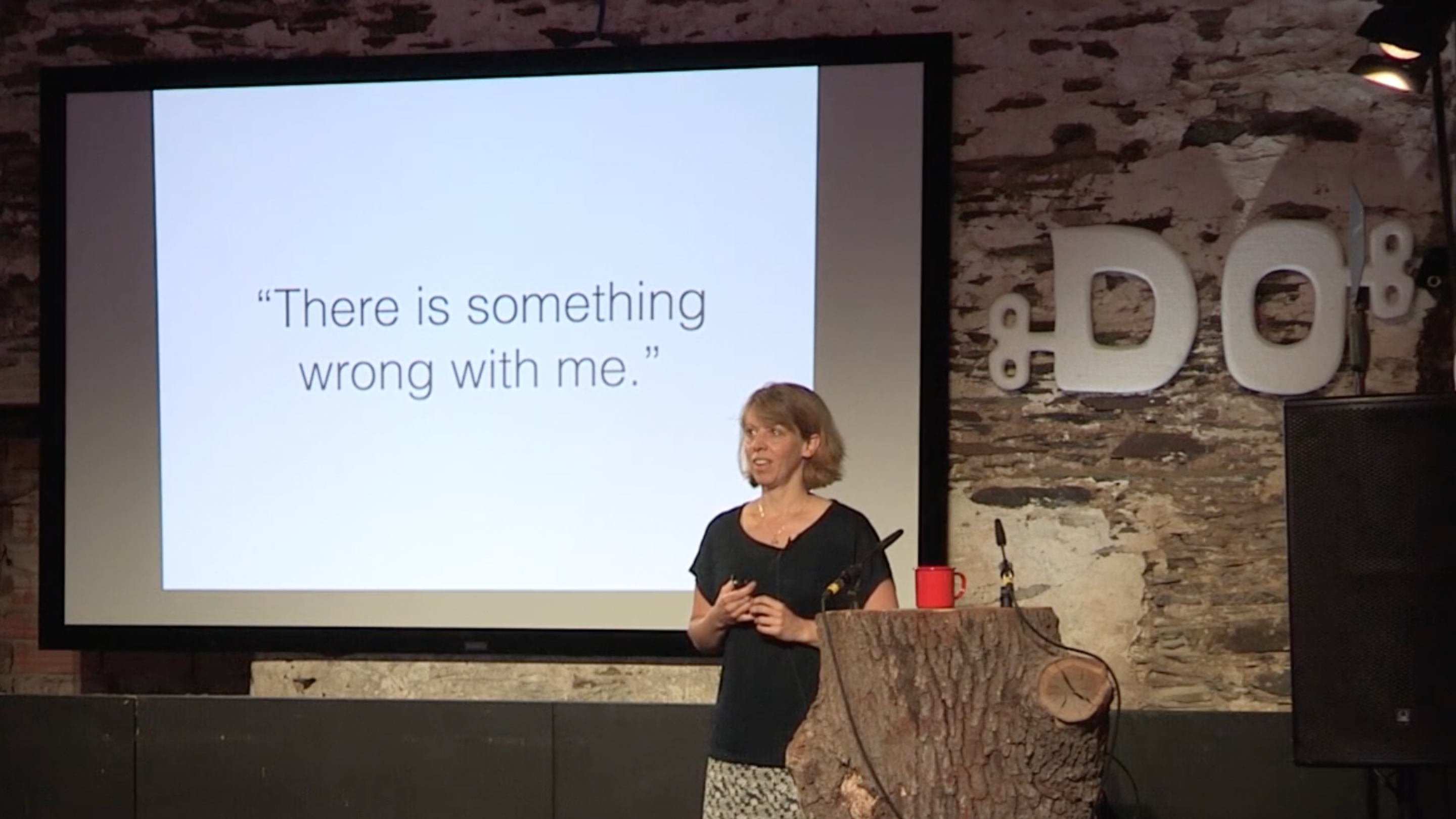
And yet, in the years that followed, some aspects of life remained hard in ways I couldn’t account for. Nothing dramatic or catastrophic, but a persistent background pattern of things which other people seemed to find straightforward that weren't straightforward for me.
There were activities that were far more exhausting than I expected them to be, difficult feelings that surfaced reliably in particular situations...
These things didn’t disappear in response to the useful changes I’d made, even though my life overall improved immeasurably as a result.
4.
So I started looking more carefully at the patterns themselves. In 40+ years, they hadn't changed. But what has changed are the tools now available to analyse data. Using AI, I began tracking what happened when, and asking questions I hadn’t thought to ask before.
Over time, it became clear that what I was seeing wasn’t a residual mental health issue, but something more structural.
I took what I’d gathered to my doctor and asked for a referral. And after many months of waiting, and many hours of assessment, something finally clicked into place.
The answer wasn't bipolar disorder, a personality disorder, or any of the other explanations I'd accumulated. It was autism.
5.
I’m sharing this because many people have contacted me over the years to say they recognised themselves in the talk I gave. If even one of them finds this missing piece of my story useful in their own enquiry, it will have been worth sharing.
If you'd like to know more about recent research into different types of autism, or why women with autism are often misdiagnosed, you might find these interesting...
Major autism study uncovers biologically distinct subtypes, Princeton University
Understanding undiagnosed autism in adult females, UCLA Health
That aside, I've learned some really helpful ways to use AI for self-awareness, but that's for another time...
© 2026 copyright by Little Challenges - all rights reserved.